Abruzzo
Your Online Guide to Holidays in Abruzzo, Italy
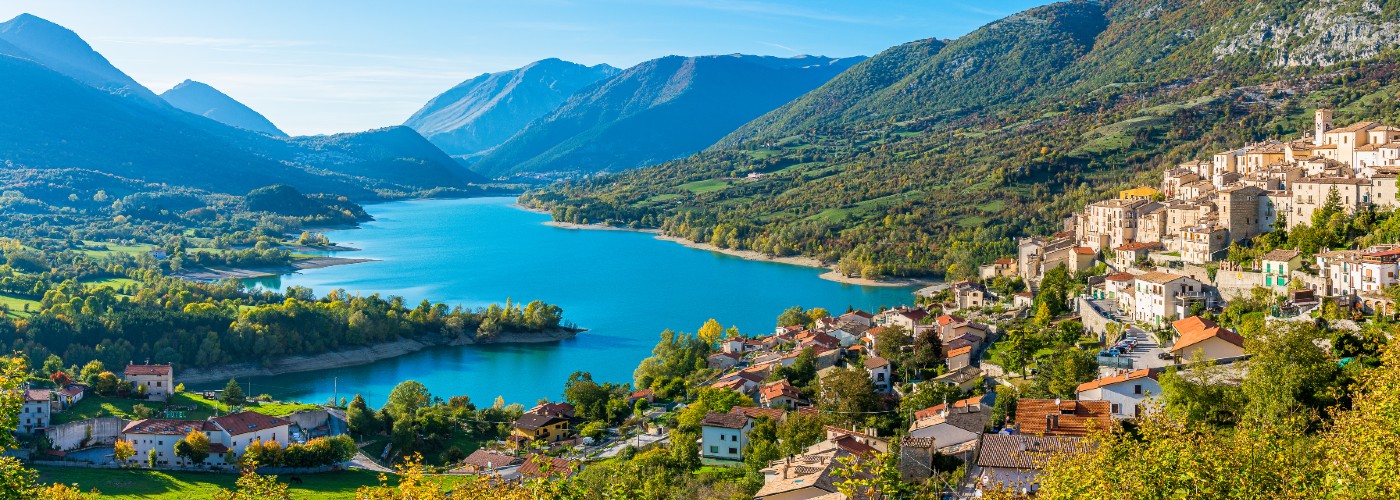
Vibrant seaside towns, charming villages, ancient cities and high Apennine peaks: this is Abruzzo, an Italian region that manages to combine truly diverse landscapes within its territory. The region has made the multiplicity of landscapes and territories its greatest strength, alongside its long history and millennia-old traditions. It’s no coincidence that Abruzzo’s coat of arms is an italic shield divided into bands of three different colours: white like snow-capped mountains, green like the inland hills and blue like the sea.
From L’Aquila to Pescara, Abruzzo’s territory is truly vast and varied, and its interior shelters not only three fantastic National Parks but also splendid villages with an ancient atmosphere.
Its location and climate make it a region worth visiting 365 days a year, thanks also to excellent accommodation facilities and the warm hospitality of its inhabitants. From excellent ski resorts to numerous hiking and mountain biking trails, from stunning beaches to cities steeped in millennia of history, Abruzzo’s heritage is truly vast and appeals to many different types of visitors.
Finally, don’t forget the region’s rich food and wine tradition, which ranges from arrosticini to brodetto di pesce, from Sulmona confetti to soft nougat and L’Aquila chocolate.
Thanks to its strategic location, it’s possible to visit Abruzzo throughout the year. In winter, the region boasts excellent ski resorts set in truly spectacular natural environments, and for those who don’t fancy skiing, there’s the chance to enjoy other winter sports or relax at excellent facilities.
In summer, on the other hand, the region is the ideal destination not only for those wanting to enjoy a seaside holiday and relaxation but also for outdoor enthusiasts. On foot, by bike or on horseback, Abruzzo offers numerous routes to discover its countless attractions.
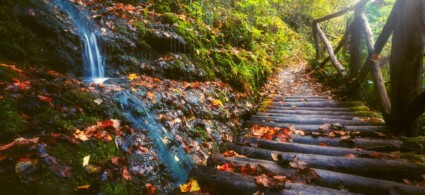
The so-called “shoulder seasons” can also be an ideal time to visit the region. Thanks to its mild climate, it’s not only easier to organise cultural trips to discover the splendid cities, but also to go hiking in the National Park areas which offer truly wonderful landscapes during these times of year.
The Maiella and Gran Sasso mountain chains divide Abruzzo into two areas: on one side the inland zone where you’ll find the L’Aquila province surrounded by high Apennine peaks, and on the other the coastal zone stretching along a shoreline of approximately 130 km, in the provinces of Teramo, Pescara and Chieti.
The region is home to highly sought-after seaside resorts, such as Vasto, Ortona, Roseto degli Abruzzi and Silvi Marina, alongside renowned ski resorts that attract winter sports enthusiasts from across central and southern Italy.
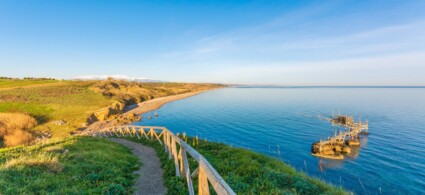
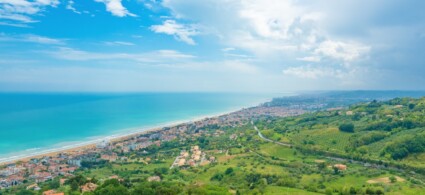
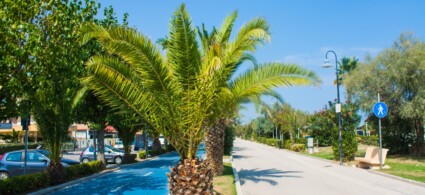
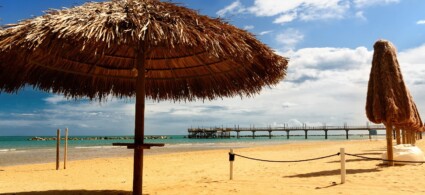
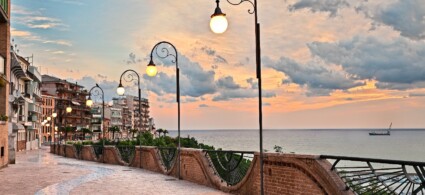
The Abruzzo coastline is characterised by vibrant seaside towns with long sandy beaches and small pebble coves with crystal-clear waters.
The northernmost section is known as “the Seven Sisters of Abruzzo” and comprises seven splendid coastal towns considered true pearls of the Abruzzo shoreline. Kilometres of coastline with sandy beaches and shallow waters make these beaches a much-loved destination for families with children. From Martinsicuro to Silvi Marina passing through Alba Adriatica and Roseto degli Abruzzi, this stretch of coastline in Teramo province offers all its visitors a stay filled with seaside charm, nature, relaxation and entertainment.
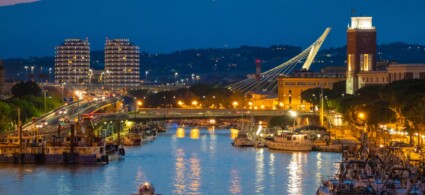
The next coastal section, known as the Pescara Coast, is home to the cities of Montesilvano, Pescara and Francavilla al Mare. These locations are highly prized not only for their beautiful beaches but also for the excellent facilities available, with Pescara boasting a considerable historical heritage. Pescara, moreover, is home to Abruzzo’s airport, connecting the region to many Italian and European cities, and can be considered a good starting point for discovering the region.
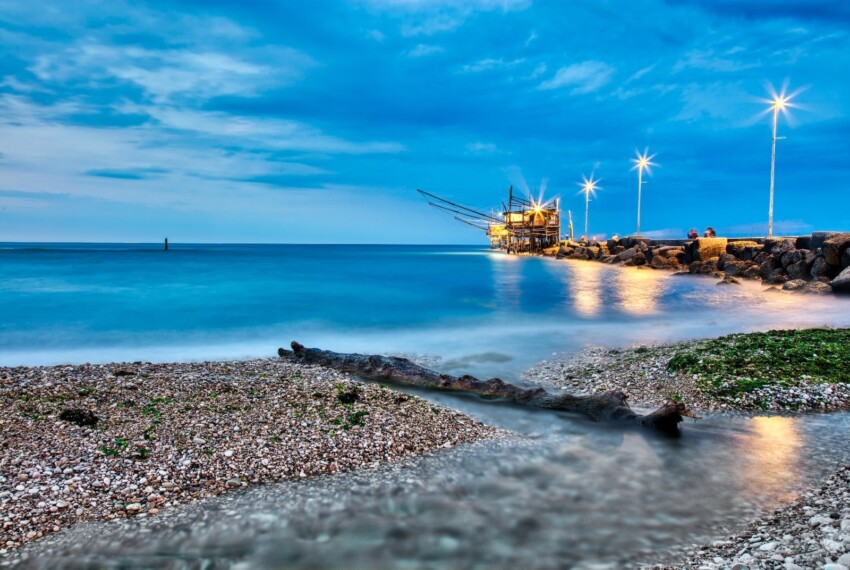
The southernmost section is known as the Trabocchi Coast and extends from Ortona to Vasto. These coastal towns boast beautiful beaches with sandy shores alternating with pebble ones, but are especially known for the presence of stunning trabocchi – special wooden structures once used for fishing and now converted into restaurants.
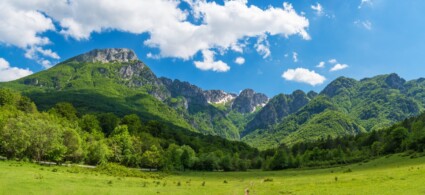
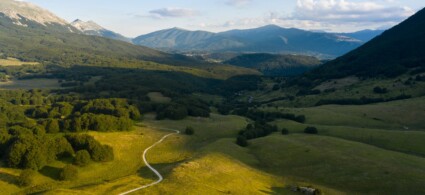
Abruzzo’s inland region is renowned for hosting three important National Parks: the Abruzzo National Park, the Majella Park and the Gran Sasso and Monti della Laga National Park, which attract visitors and tourists from all over the world with their magnificent landscapes. The wealth of landscapes, excellent climate and services offered make Abruzzo one of the leading destinations for lovers of outdoor holidays.
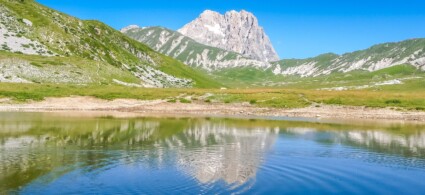
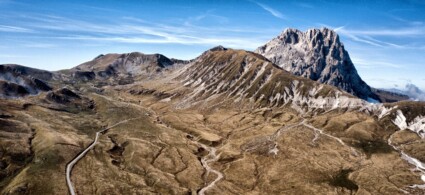
The more experienced can tackle the thrill of reaching the summit of Corno Grande, also known as “the Roof of Abruzzo”, which at 2,912 metres is the highest peak in the Apennines. Mountain biking enthusiasts can enjoy various routes available, including the famous Gran Sasso Horse Trail, a circular route of approximately 320 km that winds around the Gran Sasso d’Italia massif and can also be travelled on horseback.
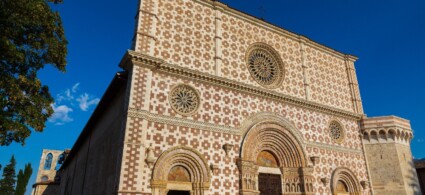
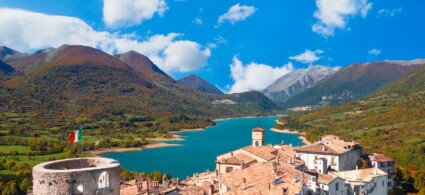
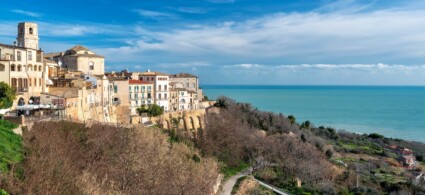
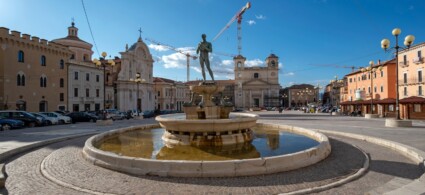
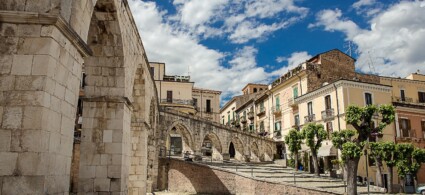
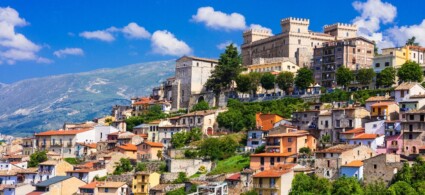
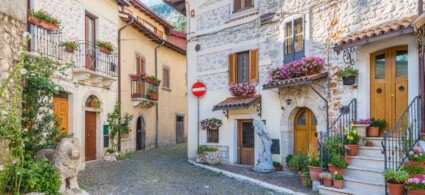
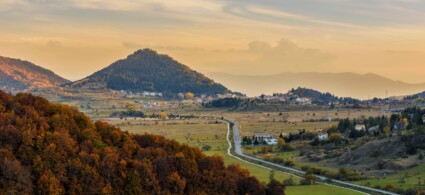
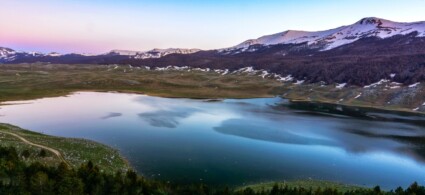
However, this area of the region is home to ancient cities such as L’Aquila and Sulmona as well as beautiful lakes like those at Barrea and Scanno where you can swim in summer or enjoy wonderful hikes surrounded by nature. The beauty doesn’t end there, as the region also features picturesque medieval villages full of charm where time seems to have stood still. Places like Rocca Calascio, Santo Stefano di Sessanio, Pietracamela and Civitella del Tronto are must-see stops on an Abruzzo trip.
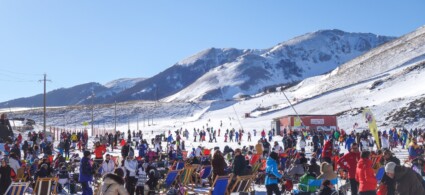
Abruzzo is a truly multi-faceted region that attracts tourists not only in summer for its excellent beaches and outdoor activities, but also in winter thanks to its numerous ski facilities. The region’s location makes it a very popular destination for winter sports enthusiasts from central and southern Italy.
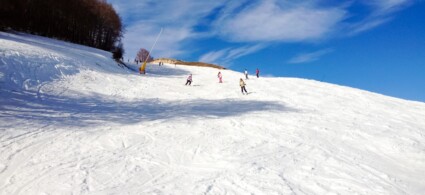
With nearly 400 km of ski runs, snow parks, cross-country ski trails and ski touring routes, the region offers a truly wide and varied range. The main resorts are Roccaraso, Campo Felice, Ovindoli and the historic Campo Imperatore station, where everyone from beginners to experienced skiers can enjoy wonderful days on the slopes.
Excellent hotel facilities, the opportunity to enjoy various activities as well as time for shopping or relaxation are features that make these resorts very popular destinations even during the winter season.
The region’s main airport is the Abruzzo International Airport located in Pescara, while other nearby airports are those in Rome, which is just over two hours’ drive away, and Ancona. From these airports you can then hire a car to explore the region.
The car is undoubtedly a very practical way to reach the region: those arriving from northern or southern Italy can take the A14 Adriatic Motorway; from the north you need to travel it in the direction of Taranto, whilst from the south towards Bologna. From Rome, instead, you need to take the A24 or A25 motorway.
If you’re starting from a city in central Italy, the train can also be a convenient option: the main Abruzzo cities, L’Aquila, Pescara and Teramo, have railway stations with connections to various locations.
Finally, for those wanting to travel by coach, there are also companies connecting the main Abruzzo cities with Rome and Naples, whilst long-distance coach companies like Flixbus connect cities in the region to other Italian locations such as Bologna, Milan, Rome and Naples. Particularly convenient are the winter connections between Rome and various Abruzzo ski resorts, allowing enthusiasts to go skiing for the day. Equally valid is the “Parks Coach” service which provides connections between Abruzzo’s National Parks and the capital, with several intermediate stops.
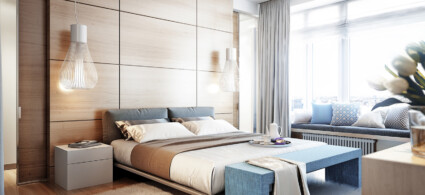
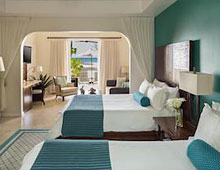
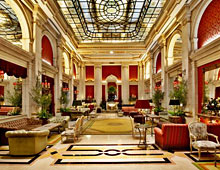
All those wishing to visit Abruzzo should note that the region offers a large number of facilities, including hotels, B&Bs, apartments, holiday homes and holiday villages.
The coastal resorts offer a wide choice, but as they are very busy in summer we recommend booking in advance to avoid everything being full, especially if you want to book a beachfront hotel. We’d give the same advice if you plan to visit one of the famous ski resorts in winter: there are many hotel facilities, but it’s always better to book early so you can choose the most suitable accommodation.
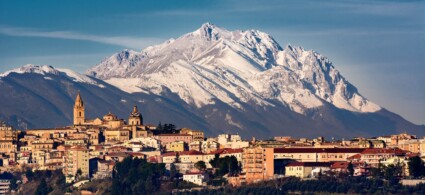
The major cities not only host numerous facilities but are also excellent bases from which to explore other regional locations. So L’Aquila is an excellent starting point for visiting the Abruzzo National Park and Gran Sasso National Park while Sulmona is for the Majella park.
The numerous small villages in the region may have fewer available facilities, but staying in these towns can offer truly memorable experiences.
Abruzzo is an Italian region nestled between the Adriatic Sea and the central Apennines. The region borders the Marche to the north, the Adriatic Sea to the east, Molise to the south and Lazio to the west.
 Hotel
Hotel 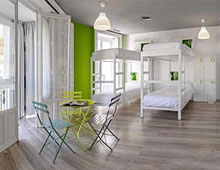 Budget accommodations
  Apartments
  Family Hotel
  Luxury Hotel
 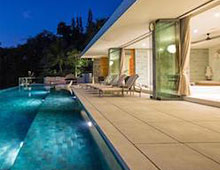 Resorts