La Casa Sù Le Dimore Del Borgo
Santo Stefano di Sessanio - Via Gabriele D'Annunzio
Book now
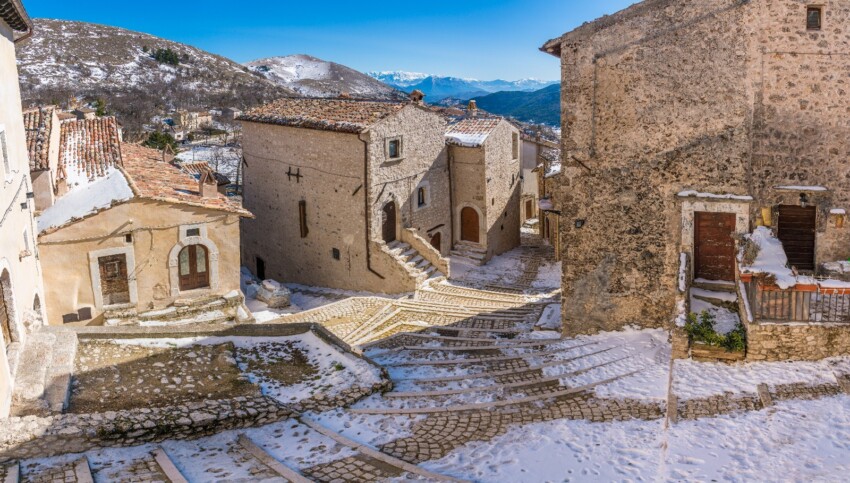
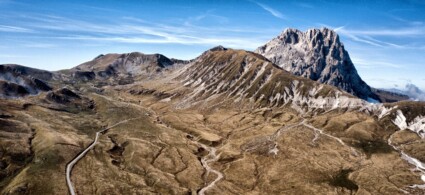
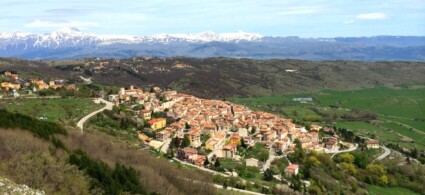
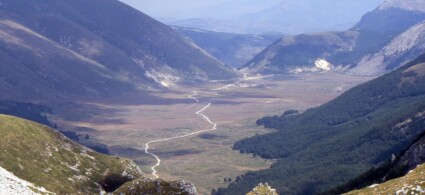
Located within the Gran Sasso and Monti della Laga National Park, the picturesque medieval village of Santo Stefano di Sessanio captivates visitors with its remarkable historical and architectural heritage. This fortified and beautifully preserved settlement sits at 1,250 metres altitude, nestled among the towering peaks of the Abruzzese mountains in a truly unique natural and environmental setting.
Historically, Santo Stefano di Sessanio developed from the 14th century onwards, becoming a thriving town built on agriculture and pastoral farming. Under the dominion of the Medici family, the town flourished as an important economic hub of the Florentine Signoria, driven by the prosperous trade in “carfagna” wool, which was produced here before being processed in Tuscany and sold throughout Europe. Following Italian unification, however, the village entered a period of decline, exacerbated by significant emigration.
Fortunately, the charm of Santo Stefano di Sessanio captured the imagination of Italian-Swedish entrepreneur Daniele Kihlgren several years ago. Enchanted by the village, he acquired a number of abandoned properties and undertook their restoration. The reconstruction work was carried out with careful attention to the architectural and cultural integrity of the site, and today many of these buildings form part of the “Sextantio distributed hotel” project.
This model of territorial tourist development aims to transform the village’s abandoned houses into visitor accommodation. As a result, Santo Stefano has become a genuinely distinctive destination where ancient peasant dwellings have become hospitality venues, small shops have reopened, and artisans’ workshops have revived age-old crafts.
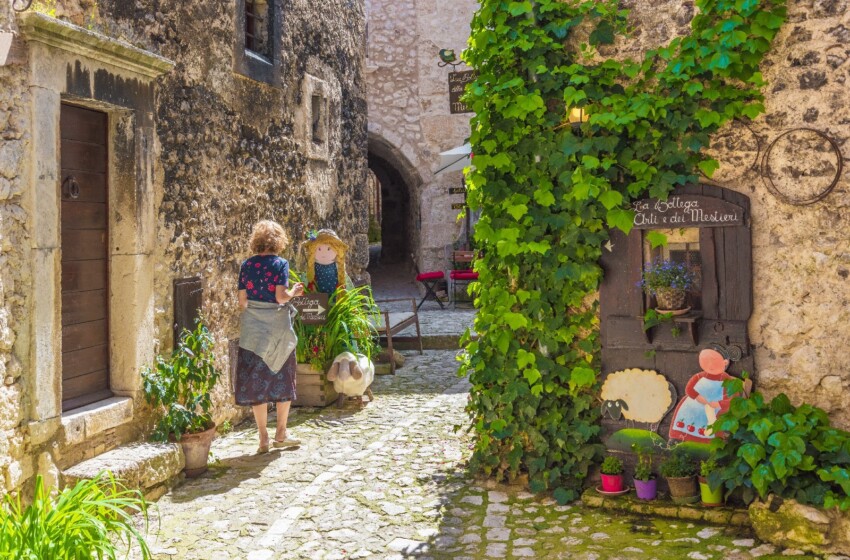
Visiting Santo Stefano di Sessanio is like stepping back in time, as this little village has remained unchanged and presents itself as a hidden gem waiting to be explored on foot. Considered among Italy’s most beautiful villages, Santo Stefano di Sessanio features buildings constructed in white limestone with traditional clay-tile roofs. Its historic centre, characterised by a labyrinthine network of narrow streets, leaves every visitor spellbound not only for its stylistic unity but also for its architectural embellishments.
Sadly, Santo Stefano di Sessanio was among the settlements affected by the 2009 earthquake, and whilst some of the town’s symbolic buildings suffered damage, much of the village maintained its integrity.
The Medici Gate marks the entrance to the distinctive village of Santo Stefano. It provides access to the ancient historic centre, a world frozen in time hundreds of years ago, with stone houses, staircases, arches and passageways. Above the gate, you can still see the coat of arms of the Medici family, who ruled Santo Stefano from 1579 to 1743. The Medici transformed Santo Stefano di Sessanio into a centre for “carfagna” wool trade, a material used to manufacture military uniforms and monastic robes.
The symbol of Santo Stefano di Sessanio, the Medici Tower dates from the 14th century and stands at the summit of the village, originally serving as a lookout tower. The tower existed before the Medici family’s arrival, though they carried out various modifications over the years.
Originally, the 14th-century tower stood 20 metres tall with a cylindrical base and was built from locally dressed stone. Unfortunately, it collapsed almost entirely during the 2009 earthquake but was fully reconstructed twelve years later.
The Church of Santo Stefano Martire is the religious building that lends its name to the entire Abruzzese village and stands outside the city walls near the cemetery. Built around the 14th century, the church was reconstructed following the devastating 1703 earthquake. The building has a rectangular layout with a square façade and contains three naves inside.
The larger central nave features a barrel vault, whilst the smaller side aisles house 18th-century canvases depicting the martyrdom of Jesus and Saint Stephen. The church also preserves a wooden statue of Saint Stephen and a Madonna and Child dating from the 16th century.
Near Piazza Medici stands Palazzo del Capitano, built by the Medici as a noble family residence. The stone construction features two large bastions and two biforate windows in late-Gothic style. The main façade is decorated with a Renaissance-style loggia dating from the mid-16th century.
Just outside the centre, on the shore of Santo Stefano’s small lake, stands a charming little church. Named Church of Madonna del Lago for its lakeside location, the building appears to date from the 17th century and is particularly enchanting for the natural environment in which it sits.
The surrounding landscape transforms with the seasons, creating a splendid backdrop: from the frozen lake atmosphere of winter to the lush nature that flourishes in spring and displays intense colours in autumn.
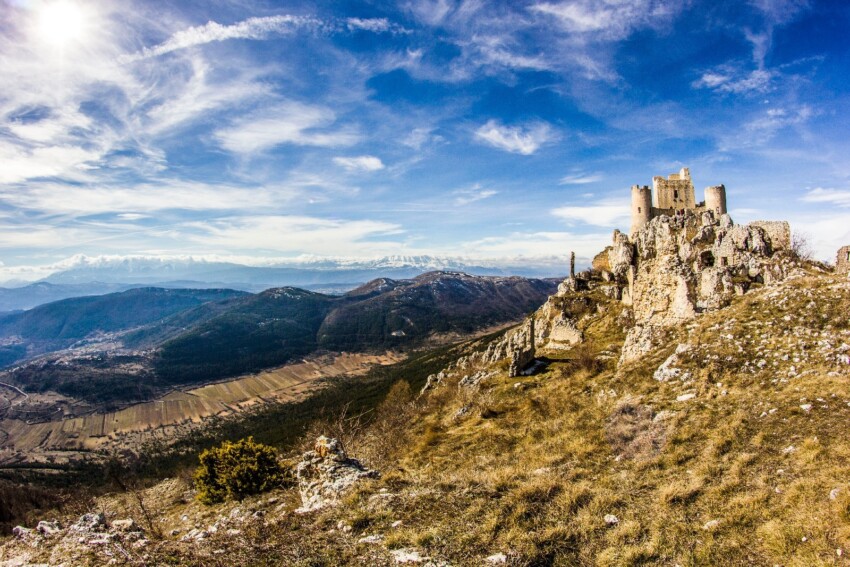
Just a few kilometres from Santo Stefano di Sessanio, you can admire Rocca Calascio Castle, one of the region’s most famous attractions, which has featured in scenes from celebrated films including Ladyhawke, La Piovra, The Name of the Rose and The American. Perched at 1,450 metres on a hilltop overlooking Calascio, the castle was built at the behest of King Roger of Altavilla between 1140 and 1239 for purely defensive purposes.
Unfortunately, Rocca Calascio Castle was damaged by a severe earthquake in the 18th century, after which both the fortress and the village below were abandoned. Following extensive restoration work, the Rocca is now open to visitors and still retains much of its former grandeur.
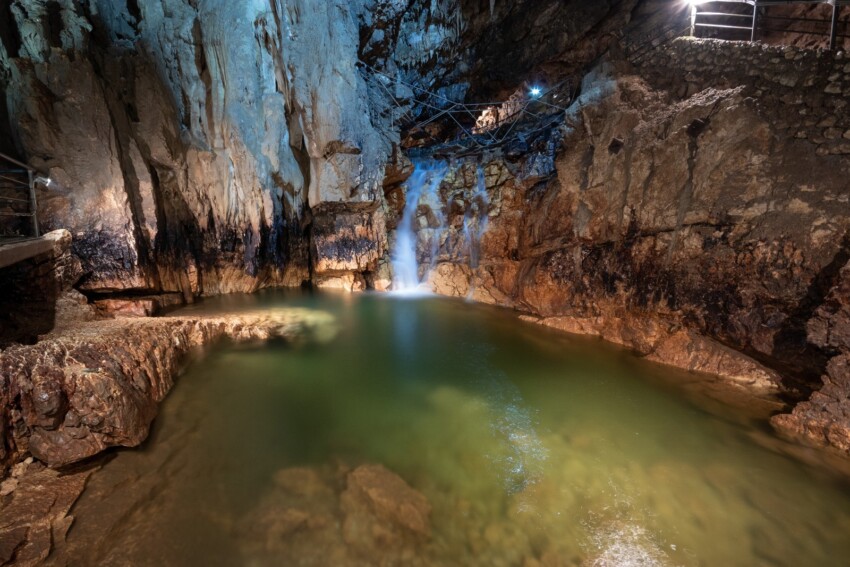
The Stiffe Caves are located just a few kilometres from Santo Stefano village and form a complex of karst caves. These caves feature an “active resurgence”, meaning they formed at the point where an underground river returns to the surface after flowing beneath the earth.
Along specially designed routes, you can admire waterfalls, small lakes and chambers with magnificent stalactites and stalagmites. During the Christmas season, one of Italy’s most spectacular nativity scenes is set up inside the cave.
Santo Stefano di Sessanio has developed the Sextantio distributed hotel project, so most of the available accommodation in the village consists of former peasant dwellings that have been converted into tourist facilities. The majority of properties have sought to preserve the original environment, and staying in some rooms offers a genuine journey back in time.
Some of the available accommodation is housed in restored historic buildings that have been repurposed for hospitality.
The best way to reach Santo Stefano di Sessanio is certainly by car. Coming from northern Italy, take the A14 motorway towards Ancona and exit at Teramo/Giulianova/Mosciano Sant’Angelo. From there, continue towards L’Aquila on the A24 motorway and exit at L’Aquila Est, then follow the SS 17 towards Santo Stefano di Sessanio.
If travelling from southern Italy, take the A14 motorway towards Pescara and join the A25 motorway, exiting at Bussi/Popoli. From there, follow signs for L’Aquila, first taking the SS 5 then the SS 153 towards Navelli, and finally the SS 17 towards Santo Stefano di Sessanio.
The nearest airport is Abruzzo Airport in Pescara, approximately 80 kilometres away, whilst Rome’s Ciampino Airport is around 145 kilometres away.
The regional transport company TUA provides bus connections from Santo Stefano to various Abruzzese cities including L’Aquila (Collemaggio terminal).
Santo Stefano di Sessanio is a charming small village in Abruzzo, nestled within Gran Sasso and Monti della Laga National Park. The town lies roughly 60 km from L'Aquila, 70 km from Teramo and 146 km from Rome.
 Hotel
Hotel  Budget accommodations
  Apartments
  Family Hotel
  Luxury Hotel
  Resorts