Hotel Federico II
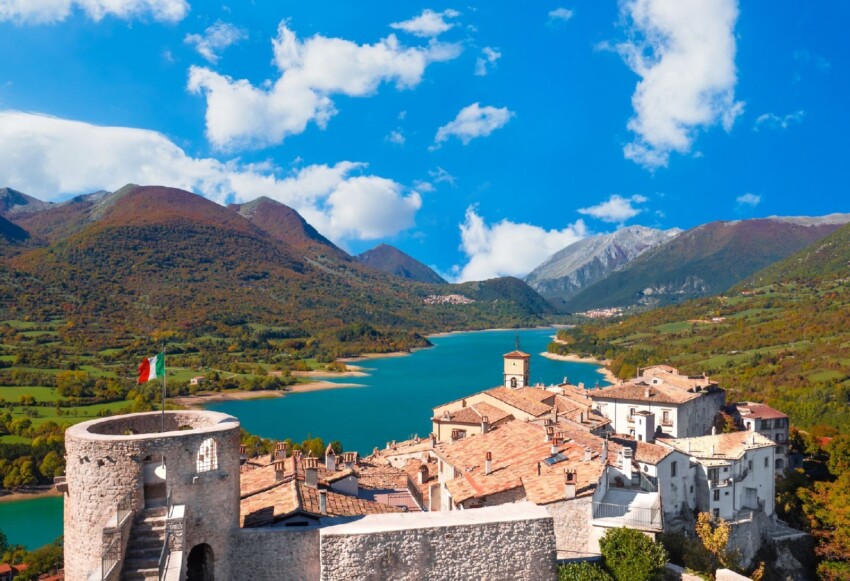
Also known as the “Green Region of Europe”, Abruzzo is the perfect destination for those seeking a stay centred on history, nature and relaxation. Along the Adriatic coast, the region boasts some of the most beautiful beaches on the peninsula, whilst the hinterland is home to ancient towns, charming villages and three national parks.
Its splendid coastlines attract numerous visitors every summer, while excellent ski resorts draw winter sports enthusiasts from central and southern Italy. For those seeking a more cultural holiday, there are plenty of cities preserving genuinely ancient architectural heritage and villages with thousand-year histories that continue age-old traditions.
Whether a short weekend or a longer stay, Abruzzo has plenty to offer and is a region that caters to diverse types of visitors. Let yourself be inspired by our list of 15 must-see places and attractions to discover during a trip to Abruzzo.
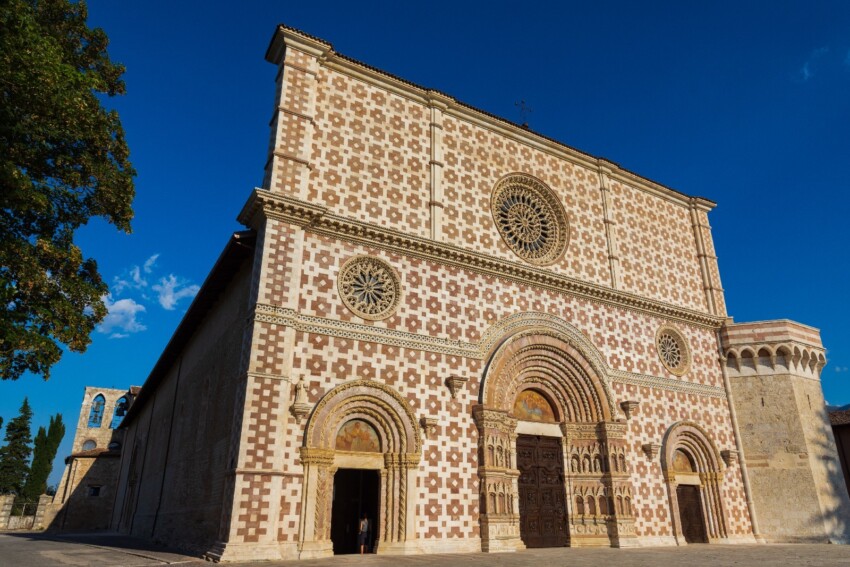
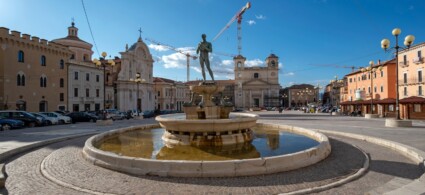
The regional capital and an ancient city, L’Aquila is certainly a must-see stop on any Abruzzo visit. The city sits at an altitude of 721 metres and its medieval-era historic centre is enclosed within imposing walls that have survived almost unchanged. According to local tradition, L’Aquila was born from the union of 99 castles, which is said to explain why the city has 99 squares, 99 churches and 99 fountains.
The heart of the city is Piazza Duomo, home to two masterpieces not to be missed: the Cathedral of Saints George and Maximus and the Church of Santa Maria del Suffragio. Situated outside the centre on a small promontory, the Basilica of Collemaggio is well worth a visit. It was built at the behest of Pietro da Morrone, founder of the Celestine order, who later became Pope Celestine V.
At the highest point of the city stands the Forte Spagnolo, built in the 16th century by Spanish viceroy Don Pedro of Toledo. Other must-see attractions in the city centre include: the Fountain of 99 Spouts, the National Museum of Abruzzo and the Basilica of San Bernardino.
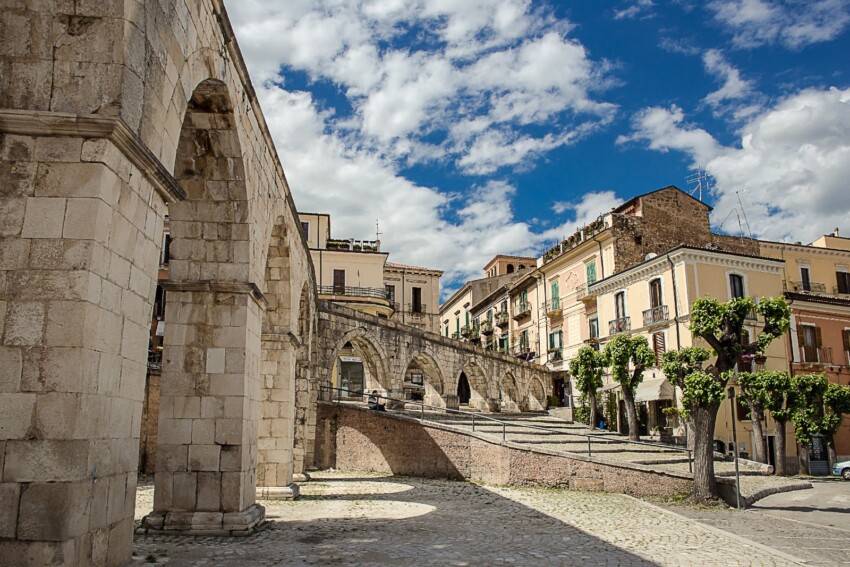
Famous for being the city of confetti, Sulmona is a destination boasting truly extensive historical, architectural and cultural heritage. Developed during the Roman era around the 1st century BC, the city retains its ancient urban layout, with the main street sitting directly above the ancient Roman cardo.
Sulmona is the birthplace of Roman poet Publio Ovidio Nasone (43 BC–18 AD), to whom a statue was dedicated by Roman sculptor Ettore Ferrari. The beauties of its historic centre are numerous, so much so that the city has been dubbed the “Siena of Abruzzo“.
The main square is Piazza Garibaldi, also known as Piazza Maggiore because of its enormous size. The square features the famous medieval aqueduct, commissioned in 1256 by King Manfred of Swabia, and the Fontana del Vecchio, one of Sulmona’s oldest fountains. Surrounded by the green of the Majella National Park, Sulmona is an excellent base for visiting the Park and exploring nature on excursions.
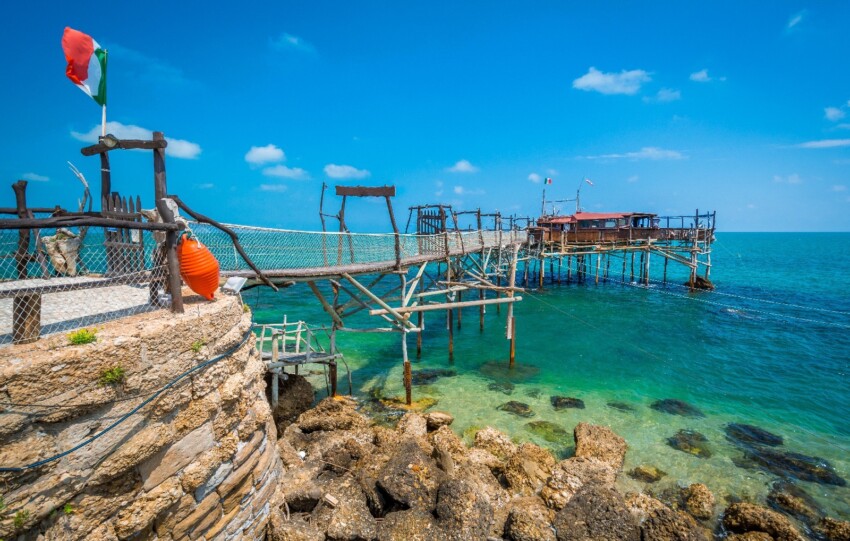
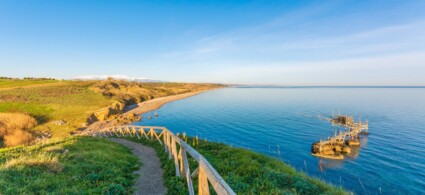
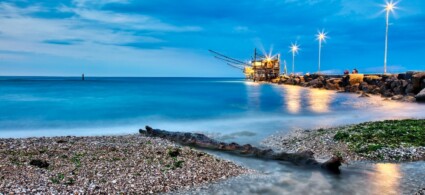
The southernmost section of the Abruzzo coast is known as the Costa dei Trabocchi because it is home to numerous trabocchi—special wooden fishing platforms that were once used by fishermen. These structures served both as fishing platforms, allowing fishermen to fish without taking boats out to sea, and as dwellings for some.
Along the entire coast from Ortona to Vasto, there are approximately twenty trabocchi that form part of Abruzzo’s historical and cultural heritage. The trabocchi have since lost their original function and some have been converted into restaurants serving excellent local cuisine.
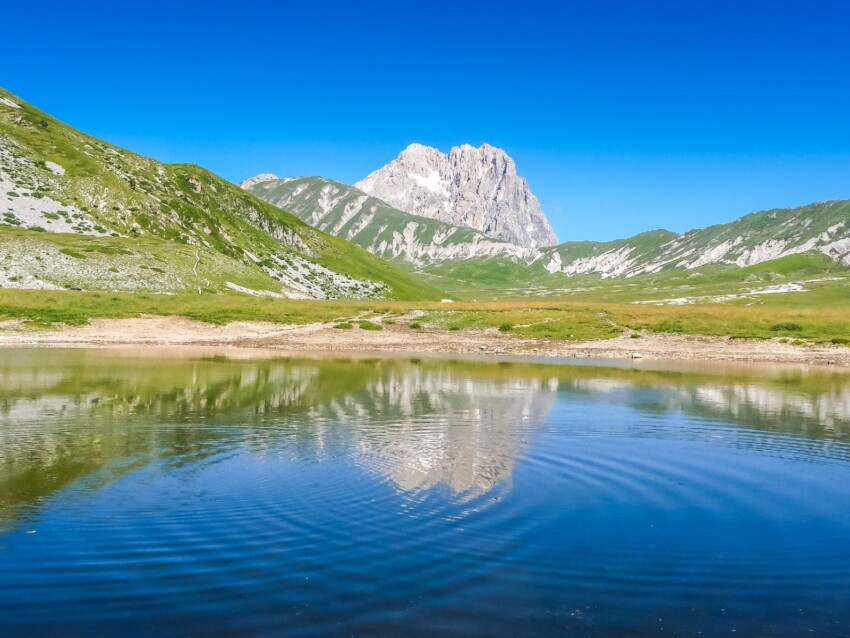
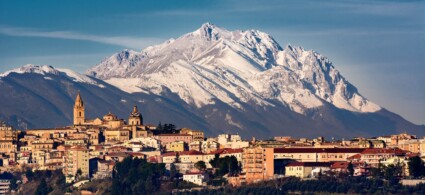
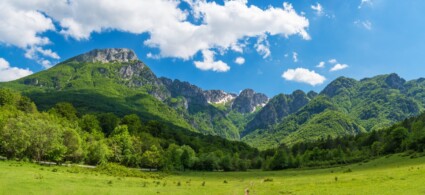
Covering an area of 150,000 hectares, the Gran Sasso and Monti della Laga National Park encompasses not only high peaks but also ancient villages. Three main mountain ranges make up the Park: the Monti Gemelli, the Monti della Laga and the Gran Sasso d’Italia chain, which offer hiking trails and excursions on foot, by mountain bike or on horseback.
From Corno Grande, at 2,912 metres the highest peak in all the Apennines, to the Campo Imperatore plateau, also known as the “little Tibet”, the Park reveals magnificent landscapes and breathtaking views. The Park is not just home to natural beauty but also serves as a place dedicated to protecting and promoting cultural heritage made up of thousand-year traditions visible in the small villages within its bounds.
Presenting a perfect blend of nature and urban settlements, the Park villages are destinations rich in history and charm that captivate every visitor. Must-see destinations include towns such as Santo Stefano di Sessanio, Pietracamela, Calascio and Civitella del Tronto.
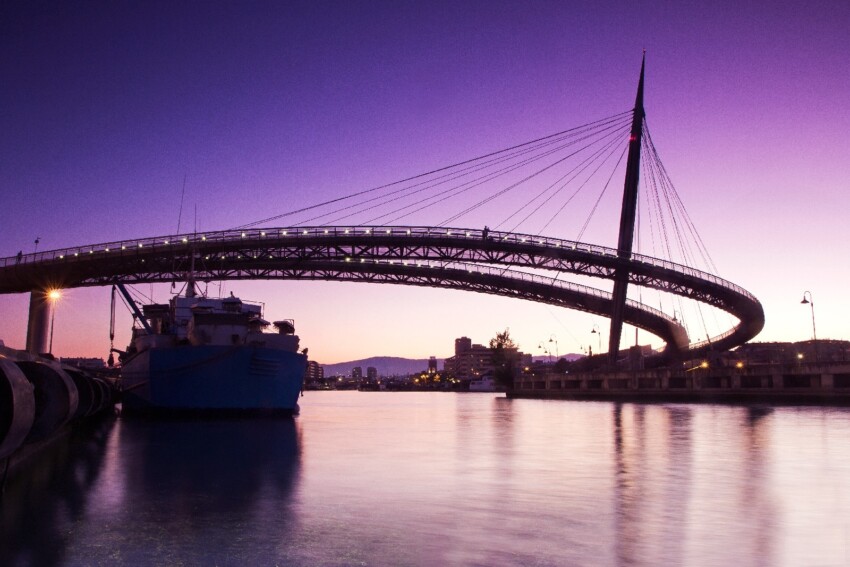
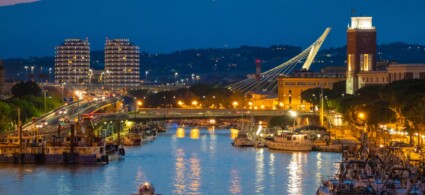
A vibrant city along Abruzzo’s Adriatic coast, Pescara welcomes visitors throughout the year thanks to its climate and attractions. The city was the birthplace of poet Gabriele D’Annunzio, and the building where the poet spent part of his childhood is now an interesting museum.
The oldest part of the city is Pescara Vecchia, where once stood the only bridge connecting Pescara to the city of Castellammare. Today, this area is a pedestrian zone featuring ancient houses interspersed with modern buildings. In the evening, this zone alongside Piazza della Rinascita becomes a busy part of the city thanks to numerous venues, bars and restaurants.
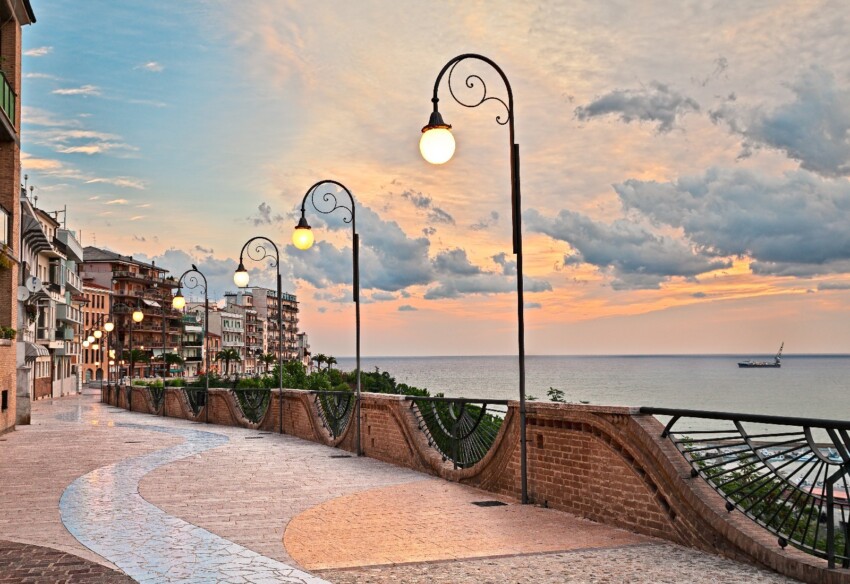
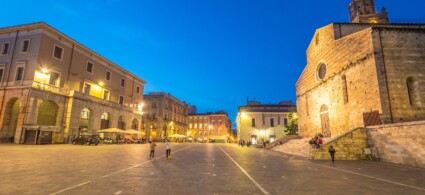
Located along the famous Costa dei Trabocchi, Ortona is a city of truly ancient origins and makes an excellent base not only for exploring the Adriatic coast but also for visiting Abruzzo’s parks. Unfortunately, the city suffered heavy bombardment during World War II, which destroyed much of its historic centre.
Its magnificent coastline stretches for about 20 kilometres and features paradisiacal beaches lapped by crystal-clear waters. North of the city port lies stretches of wide sandy beaches, while to the south are hidden small bays and wilder coves.
Among the most beautiful beaches are certainly Lido Riccio, a light sand beach washed by transparent sea, and Punta Ferruccio, characterised by a white pebble beach. Don’t miss Punta dell’Acquabella beach, part of the nature reserve of the same name, a sandy and rocky shore with truly crystal-clear and limpid waters.
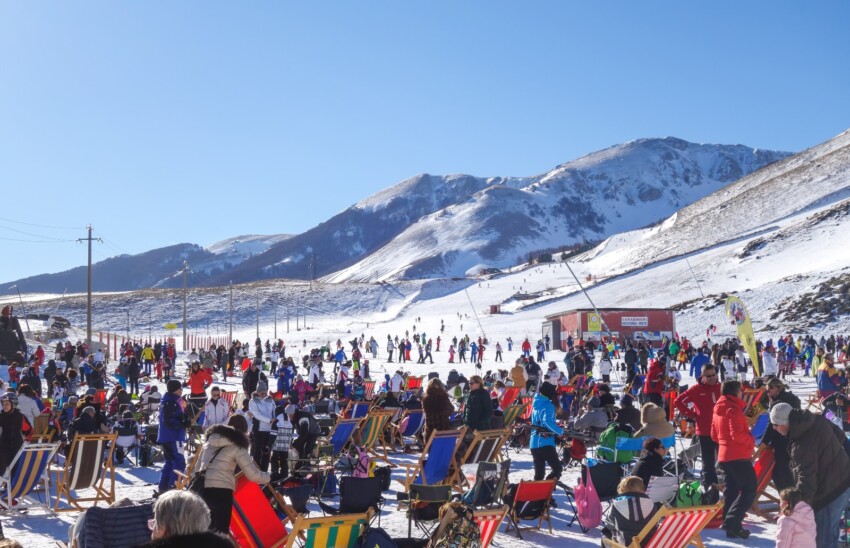
Roccaraso is a renowned Abruzzo destination attracting tourists from central and southern Italy throughout the year. Located at 1,236 metres altitude, from a small agricultural town Roccaraso became a celebrated tourist destination thanks to railway development between the late 19th and early 20th centuries.
Roccaraso is now one of the most important and well-equipped ski resorts on the entire Apennine range and is part of the Alto Sangro ski area, which with nearly 110 kilometres of runs attracts not just ski enthusiasts but also snowboarders. However, Roccaraso also draws tourists during the summer season thanks to numerous trails for hiking, trekking and excursions immersed in nature.
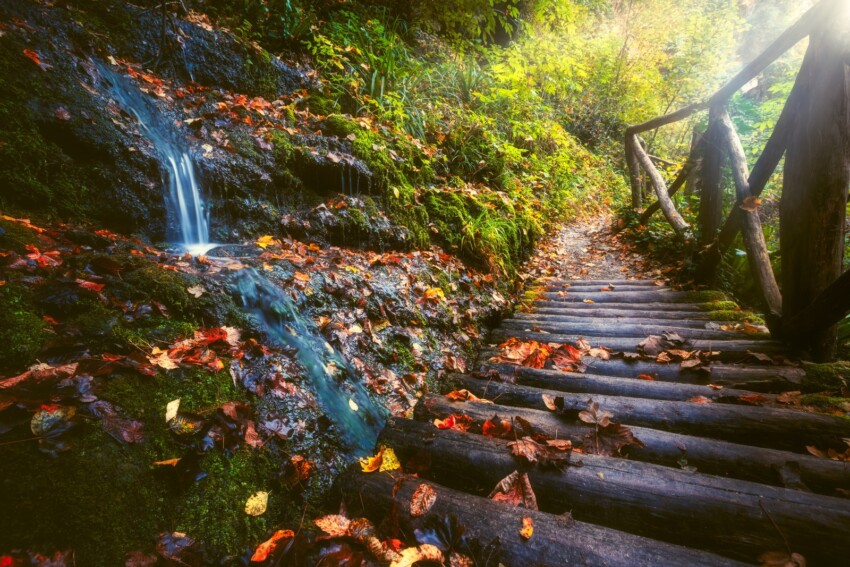
The town of Caramanico Terme is famous throughout Italy for hosting an important thermal centre that attracts visitors thanks to two mineral waters with very high concentrations of active components. These are recommended for treating and preventing various respiratory system problems and more.
The Caramanico thermal baths offer not only preventative and curative therapies but also a wellness area where physiotherapy treatments, thermal cosmetic treatments, massages and much more can be enjoyed. The centre also features a state-of-the-art paediatric unit where thermal treatments can help prevent or resolve various conditions that may affect children.
The town is moreover immersed in the splendid Valle dell’Orfento and is the starting point for numerous paths and trails for nature excursions.
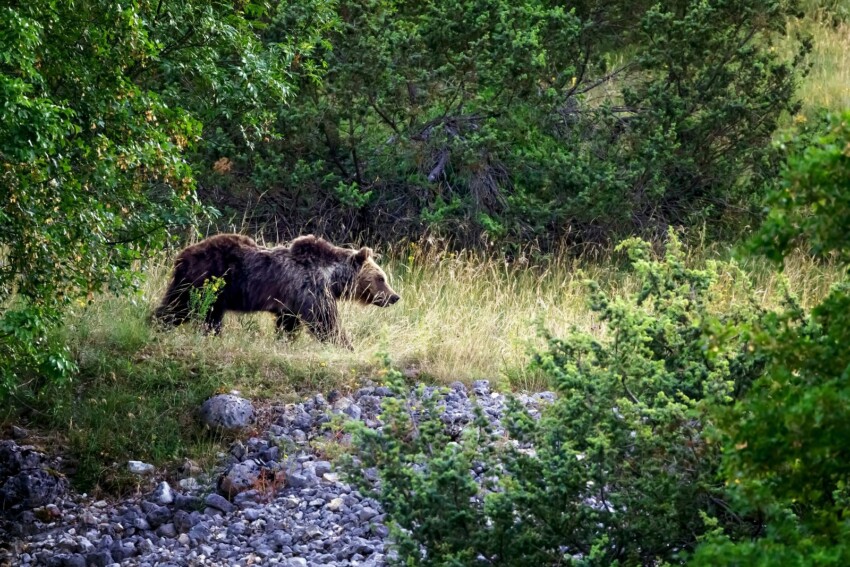
Covering an area of approximately 50,000 hectares, the Abruzzo National Park represents the heart of the Abruzzo Apennines. The Park is home to twelve Abruzzo municipalities, all located in the province of L’Aquila, which enchant visitors with their historical and architectural heritage. Among the municipalities of Lecce nei Marsi, Opi, Pescasseroli and Villavallelonga are beech forests over 500 years old that were recognised in 2017 as UNESCO World Heritage Sites.
The Park is a destination to visit at any time of year. In winter many towns host state-of-the-art ski facilities, while in summer you can enjoy various outdoor activities such as hiking, horse riding, cycle touring and birdwatching.
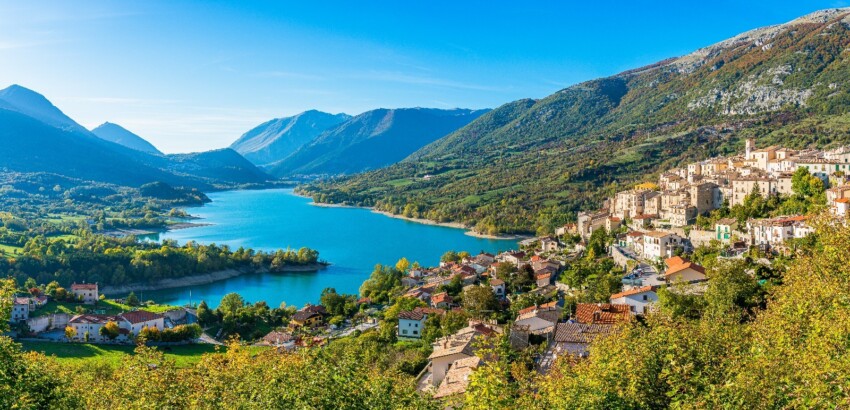
Located within the Abruzzo National Park, Lake Barrea is a truly enchanting body of water that has been recognised as a wetland of international importance due to its flora and fauna. The lake was artificially created in the mid-1950s by damming the Sangro River.
Various migratory species such as the little grebe, mallard, teal, wigeon, pochard and coot use the lake as a stopover during migration, whilst its shores are the ideal habitat for various species including the grey heron, mallard and water hen.
The lake is surrounded by lush vegetation including Turkey oak, willow and pine trees, and three charming villages sit on its shores: Barrea, Villetta Barrea and Civitella Alfedena. There are numerous walking and cycling paths with rest areas and refreshment points. In summer there is also a beach, known as “La Gravara”, where you can relax, sunbathe or swim in the lake waters.
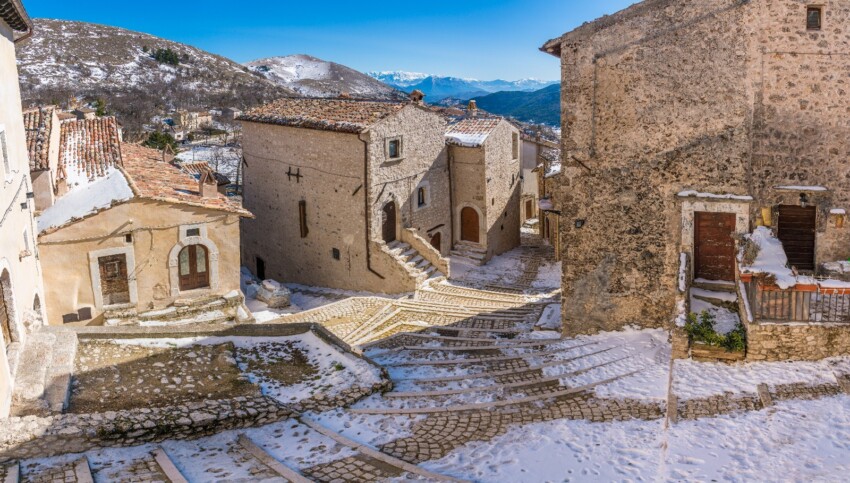
A small village nestled within the Gran Sasso and Monti Della Laga National Park, Santo Stefano di Sessanio is a medieval town that captivates every visitor with its charm. Perched at 1,250 metres altitude and surrounded by towering Abruzzese peaks, the town developed from the 14th century onwards. Within its fortified settlement, which has been preserved to this day, you’ll find cobbled alleyways, buildings constructed from white limestone and ancient churches.
Following Italian unification, the town was gradually abandoned and fell into disrepair until Swedish entrepreneur Daniele Kihlgren, enchanted by its beauty, initiated a tourism and territorial development project called the “Sextantio distributed hotel“.
The plan involved purchasing abandoned properties, restoring them and converting them into accommodation facilities. By respecting the town’s architectural and cultural integrity, Sextantio transformed many buildings into intimate yet atmospheric hotels, breathing new life into the village.
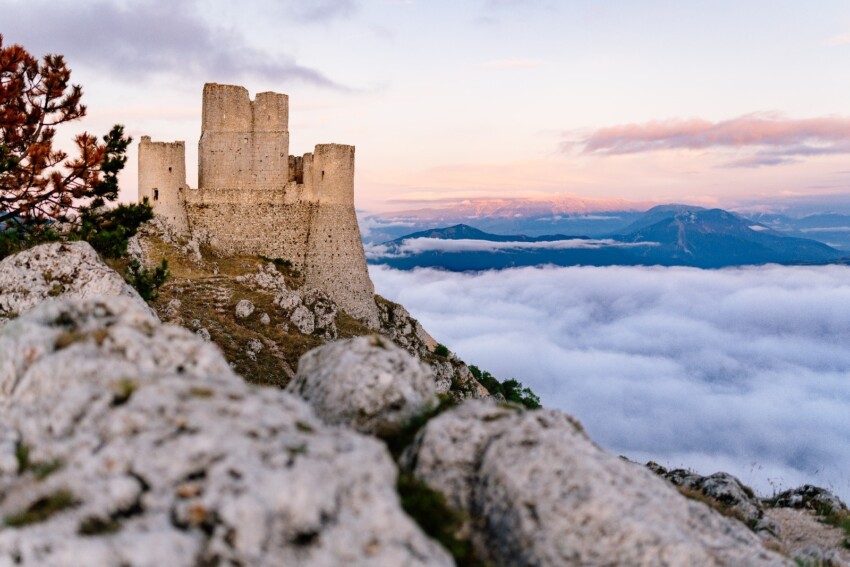
A small hamlet of Calascio municipality set on a hilltop at 1,460 metres altitude, Rocca Calascio is a truly evocative location. Around the 12th century, a fortress was built here that served as an important observation post. From this vantage point, it was possible to spot the arrival of potential enemies and communicate with other watchtowers in the area. Unfortunately, a devastating earthquake in the 18th century caused severe damage to the structure, prompting the village population to abandon the settlement.
Fortunately, the fortress and its surrounding natural landscape attracted numerous film directors and screenwriters who decided to shoot scenes here. Rocca has therefore been the backdrop for cinematic masterpieces such as Amici miei – Atto IIº (1982), Ladyhawke (1985) and The Name of the Rose (1986) starring Sean Connery. Thanks in part to this interest, both the fortress and the village below have undergone restoration work that has restored much of their original appeal.
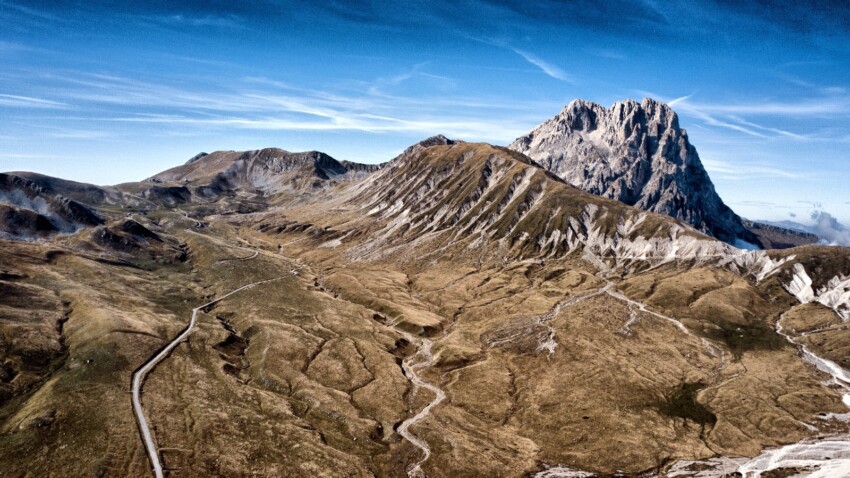
Known as the “Little Tibet” for its breathtaking scenery, Campo Imperatore is a plateau just kilometres from L’Aquila that draws visitors year-round. Situated on the slopes of Gran Sasso, the plateau spans several municipalities and is renowned for its modern ski resort.
The famous Gran Sasso d’Italia cable car, considered one of Europe’s longest, connects Fonte Cerreto to Campo Imperatore station, where you’ll find the namesake ski facilities. With 20 km of pistes, a snow park and mountaineering ski routes, Campo Imperatore is a popular destination in winter for mountain enthusiasts from central and southern Italy.
In summer, a range of activities are available including hiking, trekking and mountain biking along trails surrounded by towering Apennine peaks. The upper station at Campo Imperatore is home to the famous Hotel Campo Imperatore, where Benito Mussolini was held prisoner in 1943 before being liberated by German troops.
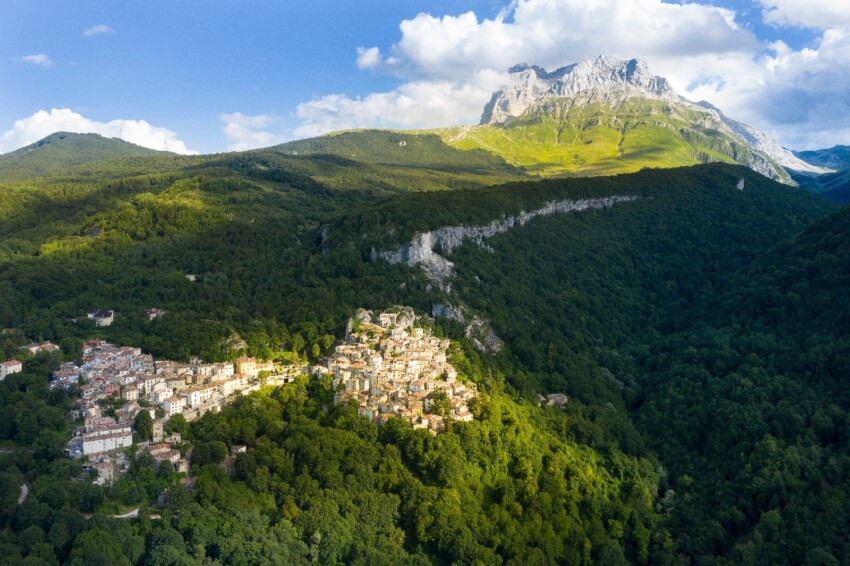
Recognised as a member of Italy’s most beautiful villages association, Pietracamela is a medieval town whose origins date back to around the 12th century. Its compact historic centre has managed to preserve much of its former charm with stone houses and narrow cobbled streets.
What truly captivates about Pietracamela are the stunning landscapes it offers. From here, you can enjoy marvellous views of Gran Sasso and explore numerous hiking trails that wind through nature. From the town centre, it’s easy to reach the hamlet of Prati di Tivo on foot, which is an important ski station at the foot of Corno Piccolo.
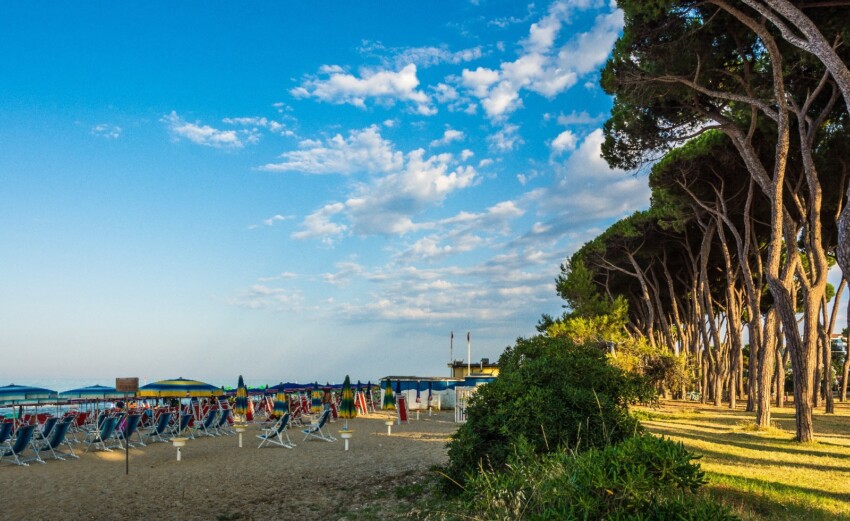
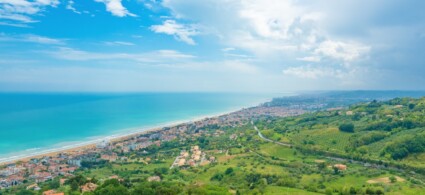
Roseto degli Abruzzi is one of the region’s most popular coastal destinations thanks to its beautiful beaches. Like many other coastal towns, Roseto comprises an older nucleus, Montepagano, perched on a hill, and a more recent waterfront area. The Montepagano district sits at 285 metres altitude and still retains much of its medieval layout.
The coastal area, meanwhile, developed around the mid-19th century and now boasts a splendid beach. The shoreline is extensive and equipped with all necessary facilities, while the sea waters are crystal-clear and pristine, having earned the Blue Flag designation multiple times.
In the following map you can see the location of the main places of interest mentioned in this article.

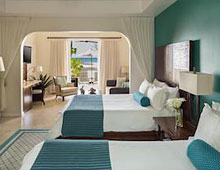 Hotel
Hotel 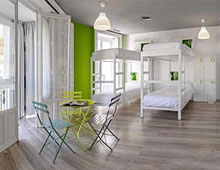 Budget accommodations
 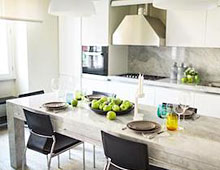 Apartments
  Family Hotel
 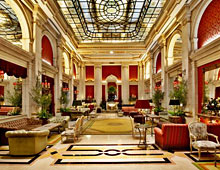 Luxury Hotel
  Resorts